Documentation Index
Fetch the complete documentation index at: https://mcp.gjxx.dev/llms.txt
Use this file to discover all available pages before exploring further.
Model Context Protocol (MCP) 为服务器提供了一种标准化的方式来向客户端暴露资源。资源允许服务器共享为语言模型提供上下文的数据,例如文件、数据库模式或特定于应用程序的信息。每个资源由一个URI 唯一标识。
用户交互模型
MCP 中的资源被设计为应用程序驱动,主机应用程序根据其需求决定如何纳入上下文。
例如,应用程序可以:
- 通过 UI 元素暴露资源以进行显式选择,在树或列表视图中
- 允许用户搜索和过滤可用资源
- 实现自动上下文包含,基于启发式或 AI 模型的选择
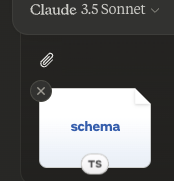
但是,实现可以自由地通过任何适合其需求的界面模式来暴露资源——协议本身并不强制要求任何特定的用户交互模型。
支持资源的服务器必须声明 resources 能力:
{
"capabilities": {
"resources": {
"subscribe": true,
"listChanged": true
}
}
}
该能力支持两个可选功能:
subscribe:客户端是否可以订阅以接收单个资源变更的通知。
listChanged:当可用资源列表发生变化时,服务器是否会发出通知。
subscribe 和 listChanged 都是可选的——服务器可以不支持任何一个、任何一个或两个都支持:
{
"capabilities": {
"resources": {} // 不支持任何功能
}
}
{
"capabilities": {
"resources": {
"subscribe": true // 仅支持订阅
}
}
}
{
"capabilities": {
"resources": {
"listChanged": true // 仅支持列表变更通知
}
}
}
协议消息
列出资源
To discover available resources, clients send a resources/list request. This operation
supports pagination.
Request:
{
"jsonrpc": "2.0",
"id": 1,
"method": "resources/list",
"params": {
"cursor": "optional-cursor-value"
}
}
Response:
{
"jsonrpc": "2.0",
"id": 1,
"result": {
"resources": [
{
"uri": "file:///project/src/main.rs",
"name": "main.rs",
"title": "Rust Software Application Main File",
"description": "Primary application entry point",
"mimeType": "text/x-rust"
}
],
"nextCursor": "next-page-cursor"
}
}
读取资源
要检索资源内容,客户端发送 resources/read 请求:
请求:
{
"jsonrpc": "2.0",
"id": 2,
"method": "resources/read",
"params": {
"uri": "file:///project/src/main.rs"
}
}
Response:
{
"jsonrpc": "2.0",
"id": 2,
"result": {
"contents": [
{
"uri": "file:///project/src/main.rs",
"name": "main.rs",
"title": "Rust Software Application Main File",
"mimeType": "text/x-rust",
"text": "fn main() {\n println!(\"Hello world!\");\n}"
}
]
}
}
资源模板
资源模板允许服务器使用URI 模板暴露参数化资源。参数可以通过完成 API 自动完成。
请求:
{
"jsonrpc": "2.0",
"id": 3,
"method": "resources/templates/list"
}
响应:
{
"jsonrpc": "2.0",
"id": 3,
"result": {
"resourceTemplates": [
{
"uriTemplate": "file:///{path}",
"name": "项目文件",
"title": "📁 项目文件",
"description": "Access files in the project directory",
"mimeType": "application/octet-stream"
}
]
}
}
列表变更通知
当可用资源列表发生变化时,声明了 listChanged 能力的服务器应该发送通知:
{
"jsonrpc": "2.0",
"method": "notifications/resources/list_changed"
}
协议支持可选的资源变更订阅。客户端可以订阅特定资源并在它们发生变化时接收通知:
订阅请求:
{
"jsonrpc": "2.0",
"id": 4,
"method": "resources/subscribe",
"params": {
"uri": "file:///project/src/main.rs"
}
}
更新通知:
{
"jsonrpc": "2.0",
"method": "notifications/resources/updated",
"params": {
"uri": "file:///project/src/main.rs",
"title": "Rust Software Application Main File"
}
}
消息流程
数据类型
资源定义包括:
uri:资源的唯一标识符
name:资源的名称。
title:可选的用于显示目的的人类可读资源名称。
description:可选描述
mimeType:可选 MIME 类型
size:可选的字节大小
资源内容
资源可以包含文本或二进制数据:
文本内容
{
"uri": "file:///example.txt",
"name": "example.txt",
"title": "示例文本文件",
"mimeType": "text/plain",
"text": "资源内容"
}
二进制内容
{
"uri": "file:///example.png",
"name": "example.png",
"title": "示例图像",
"mimeType": "image/png",
"blob": "base64-encoded-data"
}
资源、资源模板和内容块支持可选的注解,这些注解为客户端提供关于如何使用或显示资源的提示:
audience:一个数组,指示此资源的预期受众。有效值是 "user" 和 "assistant"。例如,["user", "assistant"] 表示对两者都有用的内容。
priority:一个从 0.0 到 1.0 的数字,表示此资源的重要性。值为 1 表示”最重要”(实际上是必需的),而 0 表示”最不重要”(完全可选)。
lastModified:一个 ISO 8601 格式的时间戳,表示资源最后修改的时间(例如,"2025-01-12T15:00:58Z")。
带注解的资源示例:
{
"uri": "file:///project/README.md",
"name": "README.md",
"title": "项目文档",
"mimeType": "text/markdown",
"annotations": {
"audience": ["user"],
"priority": 0.8,
"lastModified": "2025-01-12T15:00:58Z"
}
}
客户端可以使用这些注解来:
- 根据预期受众过滤资源
- 优先考虑要在上下文中包含的资源
- 显示修改时间或按最近程度排序
常见 URI 方案
协议定义了几个标准 URI 方案。这个列表不是穷尽的——实现总是可以自由使用额外的自定义 URI 方案。
https://
用于表示网络上可用的资源。
服务器应该仅在客户端能够自行从网络直接获取和加载资源时使用此方案——也就是说,它不需要通过 MCP 服务器读取资源。
对于其他用例,服务器应该更喜欢使用另一个 URI 方案,或定义一个自定义方案,即使服务器本身将通过互联网下载资源内容。
file://
用于标识行为像文件系统的资源。但是,资源不需要映射到实际的物理文件系统。
MCP 服务器可以使用XDG MIME 类型标识 file:// 资源,如 inode/directory,来表示没有标准 MIME 类型的非常规文件(如目录)。
git://
Git 版本控制集成。
自定义 URI 方案
自定义 URI 方案必须符合 RFC3986,考虑到上述指导。
错误处理
服务器应该为常见故障情况返回标准 JSON-RPC 错误:
错误示例:
{
"jsonrpc": "2.0",
"id": 5,
"error": {
"code": -32002,
"message": "资源未找到",
"data": {
"uri": "file:///nonexistent.txt"
}
}
}
安全注意事项
- 服务器必须验证所有资源 URI
- 敏感资源的访问控制应该被实现
- 二进制数据必须被正确编码
- 资源权限应该在操作前被检查